Products Category
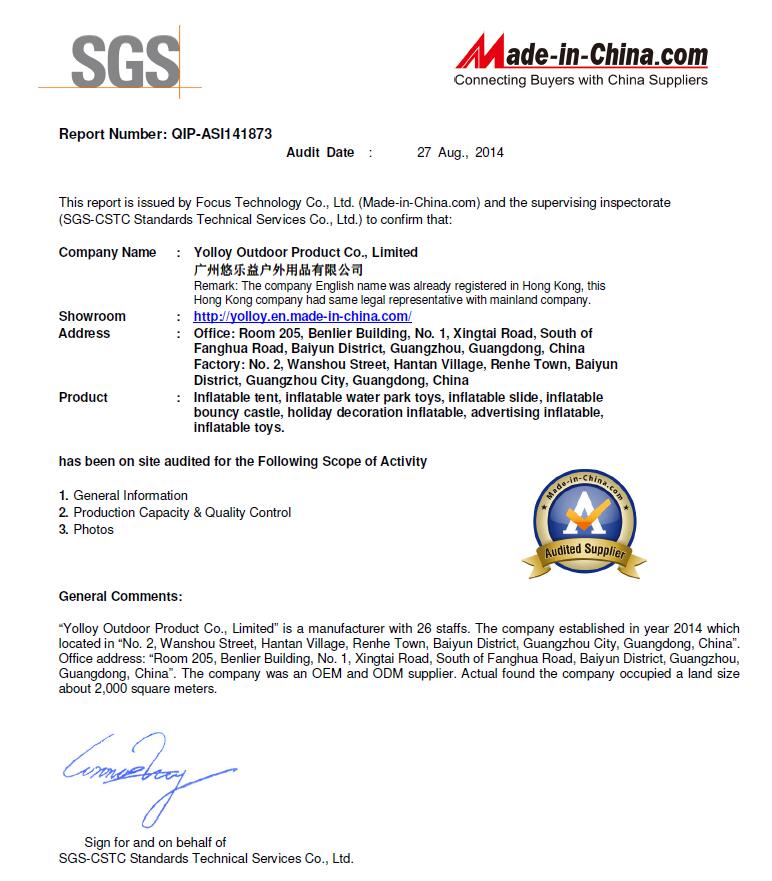
Certification

News

• New Order Successfully Finished for Long-Time Cooperated Japanese Client | YOLLOY Wins Full Client Recognition

• YOLLOY Custom Inflatable Pool Tent for Danish Client: Professional Pool Repair Shelter & Debris Protection

• Trusted Once Again! Greek Captain Re-orders Our Products After 4 Years

• Revolutionize Your Outdoors: The All-Terrain Inflatable Floating Tent for Land & Water

• Elevate Your Summer Fun: The Ultimate Inflatable Water Floating Volleyball Court Trampoline

• Innovative Inflatable Nightclub Tents & Pop-Up Bars: The Ultimate Solution for Portable Party Venues

Contact Us

Name: Sunny Yang
Tel: +86-20-8370 0771
Fax: +86-20-8370 0771
Mobile: 13570587575
E-mail: [email protected]
Add: No 5,Xiong wei Bo Nan Road,ZhongLuoTan Town,Baiyun district,Guangzhou,China
Friend me on Facebook Follow me on Twitter Add me to your circles Follow me on Pinterest Watch my channel on YouTube
News

Inflatable Tent Outdoor: The Smart Choice for Commercial Events and Beyond

Author:yolloy Date:2026/8/9 16:12:53

If you have ever struggled with heavy metal frames, tangled poles, and hours of setup time for an outdoor event, you already know the pain. Whether you are organizing a wedding, a corporate gathering, a trade show booth, or a seasonal festival, the shelter you choose sets the tone for the entire experience. A growing number of event planners, rental business owners, and venue operators are turning to the inflatable tent outdoor solution — and for good reason. These structures combine rapid deployment, striking visual appeal, and reliable weather protection in a way that traditional pole or frame tents simply cannot match.

What Makes an Inflatable Tent Different

Unlike conventional tents that rely on a forest of aluminum poles and cross-bracing, an inflatable tent uses air-filled beams as its structural skeleton. A continuous blower — or in some cases a sealed air system — keeps the beams rigid, creating a self-supporting shell that stands firm without internal columns. This design eliminates the need for pole assembly entirely. One person can typically unpack, inflate, and fully set up a medium-sized commercial unit in under ten minutes. When the event ends, the blower is switched off, the air escapes, and the entire structure folds down into a compact package for transport.

The absence of rigid framing also means inflatable tents are inherently safer in crowded environments. There are no hard edges to bump into, no pole sections to pinch fingers, and the soft walls absorb impact rather than transferring it. For events with children, high foot traffic, or tight spaces, this is a meaningful advantage.

Why Event Professionals Are Making the Switch

The inflatable event tent has become a go-to choice across a remarkably wide range of applications. Wedding planners use them to create romantic, weatherproof ceremony spaces with transparent walls and soft interior lighting. Music festivals deploy them as VIP lounges, medical stations, and backstage green rooms. Corporate event organizers transform them into branded product demo zones and pop-up meeting rooms. Sports tournaments rely on them for first-aid posts, equipment storage, and spectator shade areas.

The versatility extends even further. Inflatable tents have been used for nightclub pop-ups, outdoor cinema screenings, glamping accommodations, emergency relief shelters, and military field operations. The same basic structure can be configured with different door placements, window styles, flooring options, and interior partitions to suit nearly any purpose. Custom sizes and colors mean the tent adapts to the event, not the other way around.

Materials That Withstand Real-World Conditions

A tent is only as good as the fabric it is made from. Commercial-grade inflatable tents are constructed from heavy-duty PVC tarpaulin, which offers excellent tear resistance, waterproofing, and UV stability. For projects requiring a different aesthetic or performance profile, manufacturers may also use Oxford fabric, nylon, TPU, or specialized composite materials. The key is matching the material to the application — a transparent dome for stargazing dinners needs different properties than a spray-painting booth for automotive detailing.

Quality control during manufacturing is equally critical. Precision sewing equipment, reinforced seams, and waterproof nylon thread are used throughout; high-load areas receive extra reinforcement layers. Airtight structures are produced with high-temperature fusion welding equipment, ensuring consistent seam integrity. Reputable manufacturers test every product before shipment and supply a repair kit with each unit for on-site maintenance. Materials should also carry relevant safety certifications — EN71 for toy safety, EN14960 for inflatable play equipment, and EN15649 for water park products, with blowers meeting CE or UL requirements depending on the destination market.

Customization: Your Brand, Your Design

One of the strongest arguments for choosing a custom inflatable tent is the freedom to match the structure to your exact vision. Standard off-the-shelf tents force you to compromise on size, color, or layout. A custom-built inflatable tent starts from your requirements — a description, a rough sketch, a photograph of your venue, a site plan, or simply a budget figure. Professional designers create simulation renderings from your proposal, revise until you approve the design, and then release it for factory production.

Logo printing and artwork application are standard options. Your company branding, event sponsor logos, or decorative patterns can be printed directly onto the tent fabric with high durability. Custom sizes accommodate everything from intimate 3-meter dome tents to large-scale exhibition halls spanning 20 meters or more. D-ring and round metal anchor systems are integrated for wind resistance and installation stability. The stated minimum order quantity is typically just one piece, making custom projects accessible even for small businesses or one-off events.

Key Features to Look For

— Commercial-grade PVC tarpaulin or application-specific fabric with certified safety standards

— Reinforced seams with waterproof nylon thread and extra layers at stress points

— CE or UL certified blowers available in 110V, 220V, or 380V configurations

— D-ring or round metal anchor systems for wind resistance and secure installation

— Repair kit included with each product for on-site maintenance

— Custom printing for logos, branding, and decorative artwork

— Comprehensive packaging with soft carpet protection, waterproof PVC bags, and outer PE film

Applications Across Industries

The inflatable tent category has expanded far beyond basic camping shelters. Today's market includes specialized designs for nearly every commercial scenario. Cube tents, tunnel tents, and dome tents serve as exhibition halls, product launch venues, and temporary retail spaces. Clear inflatable bubble tents create unforgettable dining experiences under the stars, while inflatable snow globes bring winter magic to holiday markets. Inflatable party tents host everything from birthday celebrations to corporate galas. Sports tents cover training facilities, golf simulator bays, and spectator areas. Car tents and workshop tents provide mobile garages and on-site repair stations. Spray booth tents offer ventilated workspaces for automotive painting and detailing.

For businesses in the rental and event services industry, the rapid setup and teardown cycle translates directly into higher asset utilization. A crew that can set up three inflatable tents in the time it takes to assemble one traditional frame tent can serve more clients per weekend, generating more revenue from the same equipment investment.

Sourcing Smart: What to Expect from a Manufacturer

When sourcing inflatable tents from a manufacturer, several factors separate reliable suppliers from the rest. Production lead time is a practical starting point — a typical regular inflatable product takes 6 to 15 days to manufacture, excluding transit, while complex or large custom orders may take longer. Shipping options include air freight (approximately 5 to 7 days transit) and sea freight (15 to 30 days or more), giving buyers flexibility based on urgency and budget.

Responsive communication is a strong indicator of how the relationship will unfold. Manufacturers that answer emails and inquiries within 24 hours demonstrate the kind of reliability you want in a long-term supplier. An on-time delivery rate of 95% or higher is a reasonable benchmark. Warranty expectations should be discussed upfront — a typical service life of three years is achievable when products are used and maintained correctly, though this varies by product type and actual terms. Products should be packed with soft carpet protection, waterproof PVC bags, and outer PE film, with large items secured on steel pallets for safe transit.

The Bottom Line

The inflatable tent market continues to grow as event professionals, rental operators, and businesses discover the advantages of air-supported structures. Faster setup, safer environments, greater design flexibility, and lower transport costs all contribute to a compelling return on investment. Whether you need a single branded tent for a trade show or a fleet of multi-purpose shelters for a rental business, the right manufacturing partner makes all the difference.

Look for a supplier that offers end-to-end service — from design consultation and material selection through production, quality inspection, and shipping support. The best manufacturers treat each project as a collaboration, not a transaction, and stand behind their products with meaningful warranties and responsive after-sales service.

Ready to explore custom inflatable tent solutions for your next event or business? YOLLOY Outdoor Product Co., Limited, based in Guangzhou, China, designs and manufactures a complete range of commercial inflatable tents, clear domes, party tents, event structures, and custom inflatable products. With custom design-to-production service, certified materials, and a 95% on-time delivery rate, YOLLOY serves clients across Europe, Asia, the Americas, the Middle East, and Africa. Contact the team at [email protected] or visit www.yolloy.net to discuss your project.

Inflatable Tent Outdoor: The Smart Choice for Commercial Events and Beyond

Author:yolloy Date:2026/8/9 16:12:53

If you have ever struggled with heavy metal frames, tangled poles, and hours of setup time for an outdoor event, you already know the pain. Whether you are organizing a wedding, a corporate gathering, a trade show booth, or a seasonal festival, the shelter you choose sets the tone for the entire experience. A growing number of event planners, rental business owners, and venue operators are turning to the inflatable tent outdoor solution — and for good reason. These structures combine rapid deployment, striking visual appeal, and reliable weather protection in a way that traditional pole or frame tents simply cannot match.

What Makes an Inflatable Tent Different

Unlike conventional tents that rely on a forest of aluminum poles and cross-bracing, an inflatable tent uses air-filled beams as its structural skeleton. A continuous blower — or in some cases a sealed air system — keeps the beams rigid, creating a self-supporting shell that stands firm without internal columns. This design eliminates the need for pole assembly entirely. One person can typically unpack, inflate, and fully set up a medium-sized commercial unit in under ten minutes. When the event ends, the blower is switched off, the air escapes, and the entire structure folds down into a compact package for transport.

The absence of rigid framing also means inflatable tents are inherently safer in crowded environments. There are no hard edges to bump into, no pole sections to pinch fingers, and the soft walls absorb impact rather than transferring it. For events with children, high foot traffic, or tight spaces, this is a meaningful advantage.

Why Event Professionals Are Making the Switch

The inflatable event tent has become a go-to choice across a remarkably wide range of applications. Wedding planners use them to create romantic, weatherproof ceremony spaces with transparent walls and soft interior lighting. Music festivals deploy them as VIP lounges, medical stations, and backstage green rooms. Corporate event organizers transform them into branded product demo zones and pop-up meeting rooms. Sports tournaments rely on them for first-aid posts, equipment storage, and spectator shade areas.

The versatility extends even further. Inflatable tents have been used for nightclub pop-ups, outdoor cinema screenings, glamping accommodations, emergency relief shelters, and military field operations. The same basic structure can be configured with different door placements, window styles, flooring options, and interior partitions to suit nearly any purpose. Custom sizes and colors mean the tent adapts to the event, not the other way around.

Materials That Withstand Real-World Conditions

A tent is only as good as the fabric it is made from. Commercial-grade inflatable tents are constructed from heavy-duty PVC tarpaulin, which offers excellent tear resistance, waterproofing, and UV stability. For projects requiring a different aesthetic or performance profile, manufacturers may also use Oxford fabric, nylon, TPU, or specialized composite materials. The key is matching the material to the application — a transparent dome for stargazing dinners needs different properties than a spray-painting booth for automotive detailing.

Quality control during manufacturing is equally critical. Precision sewing equipment, reinforced seams, and waterproof nylon thread are used throughout; high-load areas receive extra reinforcement layers. Airtight structures are produced with high-temperature fusion welding equipment, ensuring consistent seam integrity. Reputable manufacturers test every product before shipment and supply a repair kit with each unit for on-site maintenance. Materials should also carry relevant safety certifications — EN71 for toy safety, EN14960 for inflatable play equipment, and EN15649 for water park products, with blowers meeting CE or UL requirements depending on the destination market.

Customization: Your Brand, Your Design

One of the strongest arguments for choosing a custom inflatable tent is the freedom to match the structure to your exact vision. Standard off-the-shelf tents force you to compromise on size, color, or layout. A custom-built inflatable tent starts from your requirements — a description, a rough sketch, a photograph of your venue, a site plan, or simply a budget figure. Professional designers create simulation renderings from your proposal, revise until you approve the design, and then release it for factory production.

Logo printing and artwork application are standard options. Your company branding, event sponsor logos, or decorative patterns can be printed directly onto the tent fabric with high durability. Custom sizes accommodate everything from intimate 3-meter dome tents to large-scale exhibition halls spanning 20 meters or more. D-ring and round metal anchor systems are integrated for wind resistance and installation stability. The stated minimum order quantity is typically just one piece, making custom projects accessible even for small businesses or one-off events.

Key Features to Look For

— Commercial-grade PVC tarpaulin or application-specific fabric with certified safety standards

— Reinforced seams with waterproof nylon thread and extra layers at stress points

— CE or UL certified blowers available in 110V, 220V, or 380V configurations

— D-ring or round metal anchor systems for wind resistance and secure installation

— Repair kit included with each product for on-site maintenance

— Custom printing for logos, branding, and decorative artwork

— Comprehensive packaging with soft carpet protection, waterproof PVC bags, and outer PE film

Applications Across Industries

The inflatable tent category has expanded far beyond basic camping shelters. Today's market includes specialized designs for nearly every commercial scenario. Cube tents, tunnel tents, and dome tents serve as exhibition halls, product launch venues, and temporary retail spaces. Clear inflatable bubble tents create unforgettable dining experiences under the stars, while inflatable snow globes bring winter magic to holiday markets. Inflatable party tents host everything from birthday celebrations to corporate galas. Sports tents cover training facilities, golf simulator bays, and spectator areas. Car tents and workshop tents provide mobile garages and on-site repair stations. Spray booth tents offer ventilated workspaces for automotive painting and detailing.

For businesses in the rental and event services industry, the rapid setup and teardown cycle translates directly into higher asset utilization. A crew that can set up three inflatable tents in the time it takes to assemble one traditional frame tent can serve more clients per weekend, generating more revenue from the same equipment investment.

Sourcing Smart: What to Expect from a Manufacturer

When sourcing inflatable tents from a manufacturer, several factors separate reliable suppliers from the rest. Production lead time is a practical starting point — a typical regular inflatable product takes 6 to 15 days to manufacture, excluding transit, while complex or large custom orders may take longer. Shipping options include air freight (approximately 5 to 7 days transit) and sea freight (15 to 30 days or more), giving buyers flexibility based on urgency and budget.

Responsive communication is a strong indicator of how the relationship will unfold. Manufacturers that answer emails and inquiries within 24 hours demonstrate the kind of reliability you want in a long-term supplier. An on-time delivery rate of 95% or higher is a reasonable benchmark. Warranty expectations should be discussed upfront — a typical service life of three years is achievable when products are used and maintained correctly, though this varies by product type and actual terms. Products should be packed with soft carpet protection, waterproof PVC bags, and outer PE film, with large items secured on steel pallets for safe transit.

The Bottom Line

The inflatable tent market continues to grow as event professionals, rental operators, and businesses discover the advantages of air-supported structures. Faster setup, safer environments, greater design flexibility, and lower transport costs all contribute to a compelling return on investment. Whether you need a single branded tent for a trade show or a fleet of multi-purpose shelters for a rental business, the right manufacturing partner makes all the difference.

Look for a supplier that offers end-to-end service — from design consultation and material selection through production, quality inspection, and shipping support. The best manufacturers treat each project as a collaboration, not a transaction, and stand behind their products with meaningful warranties and responsive after-sales service.

Ready to explore custom inflatable tent solutions for your next event or business? YOLLOY Outdoor Product Co., Limited, based in Guangzhou, China, designs and manufactures a complete range of commercial inflatable tents, clear domes, party tents, event structures, and custom inflatable products. With custom design-to-production service, certified materials, and a 95% on-time delivery rate, YOLLOY serves clients across Europe, Asia, the Americas, the Middle East, and Africa. Contact the team at [email protected] or visit www.yolloy.net to discuss your project.