Products Category
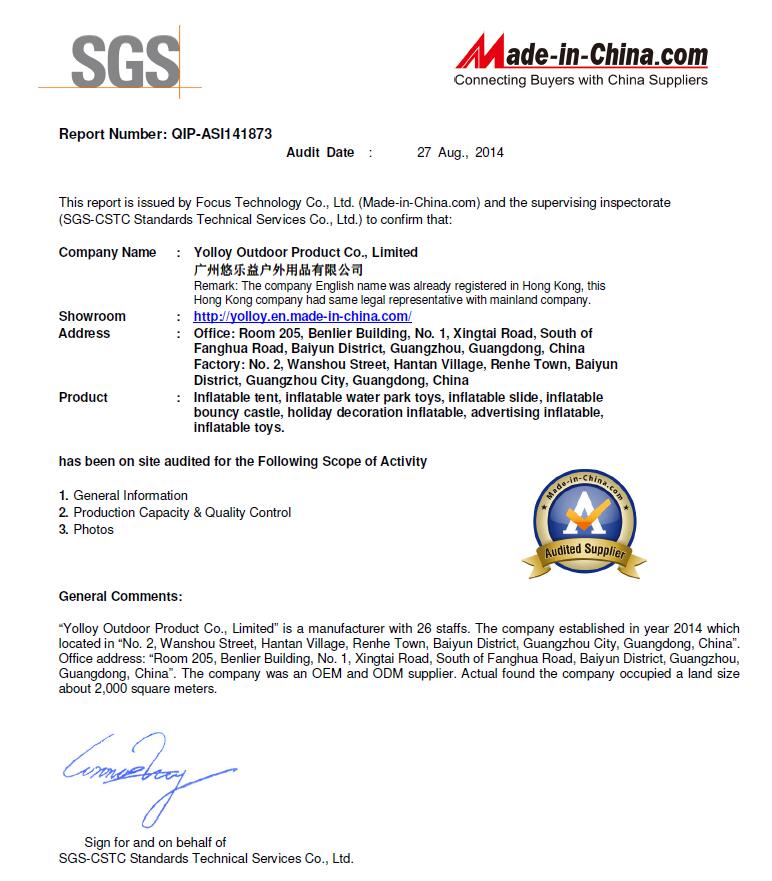
Certification

News

• New Order Successfully Finished for Long-Time Cooperated Japanese Client | YOLLOY Wins Full Client Recognition

• YOLLOY Custom Inflatable Pool Tent for Danish Client: Professional Pool Repair Shelter & Debris Protection

• Trusted Once Again! Greek Captain Re-orders Our Products After 4 Years

• Revolutionize Your Outdoors: The All-Terrain Inflatable Floating Tent for Land & Water

• Elevate Your Summer Fun: The Ultimate Inflatable Water Floating Volleyball Court Trampoline

• Innovative Inflatable Nightclub Tents & Pop-Up Bars: The Ultimate Solution for Portable Party Venues

Contact Us

Name: Sunny Yang
Tel: +86-20-8370 0771
Fax: +86-20-8370 0771
Mobile: 13570587575
E-mail: [email protected]
Add: No 5,Xiong wei Bo Nan Road,ZhongLuoTan Town,Baiyun district,Guangzhou,China
Friend me on Facebook Follow me on Twitter Add me to your circles Follow me on Pinterest Watch my channel on YouTube
News

How to Choose the Best Inflatable Tent for Outdoor Events and Camping: A Complete Buyer's Guide

Author:yolloy Date:2026/8/8 8:41:22

Whether you are planning an outdoor wedding, hosting a corporate event, setting up a temporary exhibition space, or simply upgrading your family camping experience, choosing the right shelter is one of the most important decisions you will make. In recent years, inflatable tents have emerged as a game-changing alternative to traditional pole-and-frame structures, offering faster setup, greater portability, and impressive durability. But with so many options on the market, how do you find the best inflatable tent for your specific needs? This guide walks you through every key consideration — from material quality and weather resistance to customization and manufacturer selection — so you can make an informed purchase with confidence.

Why Choose an Inflatable Tent Over Traditional Pole Tents?

Traditional pole tents have served outdoor events well for decades, but they come with inherent limitations: heavy metal frames, complex assembly requiring multiple people, and significant storage space. Inflatable tents solve these problems through air-beam technology — reinforced air tubes that replace rigid poles, allowing the entire structure to be inflated within minutes using an electric blower.

The advantages are substantial. An inflatable tent outdoor structure can be set up by one or two people in under 10 minutes, compared to the 30–60 minutes often required for a comparable frame tent. When deflated, these tents pack down into compact carrying bags that fit easily into a standard vehicle. This portability makes them ideal for event rental businesses that need to transport and deploy multiple structures in a single day, as well as for mobile operations such as emergency response, field hospitals, and pop-up retail.

Beyond convenience, inflatable tents offer superior structural flexibility. The absence of rigid poles means there are no sharp metal edges to worry about, and the air-beam construction naturally absorbs wind gusts rather than resisting them — a significant safety advantage in unpredictable weather. Many models also feature D-ring or round metal anchor systems that provide secure ground fixation, ensuring stability even in challenging outdoor conditions.

Key Considerations When Buying an Inflatable Tent

Space and Comfort

Just as with traditional tents, the interior space of an inflatable tent should match your intended use. For camping, a 4-person tent typically accommodates two adults comfortably with room for gear. For commercial events, think in terms of functional zones — a dining area, a dance floor, a product display section, or a lounge. Inflatable tents come in a wide range of sizes, from compact 3m x 3m cube designs to expansive tunnel configurations spanning 10m or more. Always check the peak height specifications: a center height of at least 2.2m allows most adults to stand comfortably, which is essential for events and hospitality applications.

Wall angles also matter. Tents with near-vertical walls maximize usable floor space, while dome-shaped designs create a more dramatic visual impact and shed wind and rain more effectively. Consider how you will arrange furniture, displays, or sleeping areas inside the tent before settling on a shape.

Material Quality and Durability

The lifespan of an inflatable tent depends heavily on the materials used in its construction. Commercial-grade PVC tarpaulin is the industry standard for heavy-duty applications — it is waterproof, UV-resistant, and tear-resistant, making it suitable for repeated commercial use. For tent projects that prioritize breathability and a more natural aesthetic, manufacturers may also use Oxford fabric, nylon, or TPU (thermoplastic polyurethane) according to specific requirements.

Pay close attention to seam construction. High-quality inflatable tents use precision sewing equipment with reinforced seams and waterproof nylon thread. Additional reinforcement is applied at high-load areas such as anchor points and blower connections. For airtight products, high-temperature fusion welding equipment creates seamless, leak-proof bonds that outperform stitched alternatives in terms of air retention and longevity.

When evaluating durability, look for evidence of quality control. Reputable manufacturers inspect and test every product before shipment and supply a repair kit with each inflatable product. A well-made inflatable tent used and maintained correctly can deliver a service life of three years or more, making it a solid return on investment for commercial operators.

Weather Resistance

An inflatable tent must perform reliably across a range of weather conditions. The key elements to evaluate include waterproofing, wind resistance, and ventilation. Look for tents with fully sealed seams and waterproof fabric coatings that prevent moisture ingress during heavy rain. The air-beam structure itself provides natural wind resistance — unlike rigid frames that can buckle under sustained gusts, inflatable beams flex and absorb wind energy. However, proper anchoring with ground stakes or weighted D-ring systems is still essential for safety.

Ventilation is equally important, particularly for events where many people will gather inside. Well-designed inflatable tents incorporate mesh windows, roll-up side panels, and ventilation ports that allow cross-breeze airflow while keeping insects out. For cold-weather applications, insulated fabric options and sealed panel systems help retain interior heat.

Ease of Setup and Portability

One of the strongest selling points of an inflatable tent is how quickly it goes from packed to operational. A typical setup involves laying the tent flat on the ground, connecting the blower to the inflation valve, and switching it on. Within 5–10 minutes, the air beams fill and the tent rises into shape. The blower then runs continuously at low power to maintain pressure, consuming minimal electricity. Deflation is equally straightforward — simply turn off the blower and open the deflation valves.

When assessing portability, check the packed dimensions and weight. Most inflatable tents fold into durable carry bags with handles, and larger commercial models may ship on steel pallets. Blowers are available in 110V, 220V, or 380V configurations to match local power standards, so confirm compatibility before ordering.

Types of Inflatable Tents for Different Applications

Inflatable tents are not one-size-fits-all. Understanding the different types available helps you match the right structure to your specific use case. Here is a comparison of the most common configurations:

Tent Type Best For Key Features
Cube Tent Trade shows, pop-up retail, information booths Compact footprint, straight walls, maximum usable interior space, easy branding with printed logos
Dome Tent Glamping, outdoor dining, planetarium projections Aerodynamic shape, excellent wind shedding, dramatic visual appeal, high ceiling at center
Tunnel Tent Large events, exhibitions, field hospitals Extended length, modular sections, high capacity, can be linked together for even larger spaces
Clear Bubble Tent Luxury dining, stargazing experiences, brand activations 360-degree transparent walls, immersive outdoor experience, weather-protected interior
Canopy / Shelter Outdoor markets, car detailing, spray painting booths Open-sided design, quick setup, excellent ventilation, versatile for work and display

An inflatable canopy tent, for example, works exceptionally well for outdoor markets and automotive service applications where open access and airflow are priorities. Meanwhile, a clear bubble tent creates an unforgettable dining or brand activation experience that guests will talk about long after the event ends.

Customization: Making the Tent Your Own

One of the most valuable advantages of working directly with an inflatable tent manufacturer is the ability to customize nearly every aspect of the product. Custom sizes and colors are available to match your brand identity or event theme. Company logos and artwork can be printed directly onto the fabric using digital printing technology, transforming a simple shelter into a powerful marketing tool. Whether you need a tent that matches your corporate color palette or a completely unique shape designed from a sketch, the right manufacturer can bring your vision to life.

The customization process typically follows a design-to-production workflow: designers prepare simulation renderings based on your proposal, revise the design until you approve it, and then release it for factory production. This collaborative approach ensures that the final product meets your exact specifications — from dimensions and fabric choices to branding elements and accessory configurations. The minimum order quantity for custom projects can be as low as one piece, making custom inflatable tents accessible even for small businesses and one-off events.

What to Look for in an Inflatable Tent Manufacturer

Choosing the right manufacturer is as important as choosing the right tent. Here are the key factors to evaluate:

Certifications and Safety Standards

  • EN71 and EN14960 compliance for inflatable toy and play equipment safety
  • EN 15649 for inflatable water park products
  • RoHS compliance for material safety
  • CE or UL certification for electric blowers

A manufacturer that invests in third-party testing and certification demonstrates a commitment to quality and safety that should give you confidence in your purchase. Additionally, look for manufacturers that provide repair kits with each product, offer responsive after-sales support (ideally with email responses within 24 hours), and maintain a track record of on-time delivery — a 95% on-time delivery rate is a strong indicator of reliable operations.

Shipping logistics also matter. Air shipping typically takes 5–7 days, while sea freight takes 15–30 days or more. If you have a tight event deadline, confirm transit times and shipping options before placing your order. A good manufacturer will help you navigate these logistics and recommend the most cost-effective solution for your timeline and destination.

Maintenance and Care Tips

To maximize the lifespan of your inflatable tent, follow these essential care practices. Always clean and fully dry the tent before packing it away — moisture trapped in storage can lead to mildew and material degradation. Store the tent in a cool, dry place away from direct sunlight when not in use. Inspect seams, anchor points, and zippers regularly for signs of wear, and address minor repairs promptly using the included repair kit. If the blower shows signs of reduced performance, have it serviced or replaced to ensure consistent inflation pressure. With proper care, a quality inflatable tent can serve your events and camping adventures reliably for years.

Ready to find the perfect inflatable tent for your next event or camping trip? Whether you need a custom-branded cube tent for trade shows, a spacious tunnel tent for large gatherings, or a transparent bubble dome for unforgettable dining experiences, YOLLOY offers a complete range of inflatable tent solutions designed and manufactured to the highest standards. With custom design services, comprehensive safety certifications, and worldwide shipping, YOLLOY makes it easy to bring your vision to life. Visit www.yolloy.net to explore the full product catalog or contact the team directly at [email protected] to discuss your requirements and receive a personalized quotation.

How to Choose the Best Inflatable Tent for Outdoor Events and Camping: A Complete Buyer's Guide

Author:yolloy Date:2026/8/8 8:41:22

Whether you are planning an outdoor wedding, hosting a corporate event, setting up a temporary exhibition space, or simply upgrading your family camping experience, choosing the right shelter is one of the most important decisions you will make. In recent years, inflatable tents have emerged as a game-changing alternative to traditional pole-and-frame structures, offering faster setup, greater portability, and impressive durability. But with so many options on the market, how do you find the best inflatable tent for your specific needs? This guide walks you through every key consideration — from material quality and weather resistance to customization and manufacturer selection — so you can make an informed purchase with confidence.

Why Choose an Inflatable Tent Over Traditional Pole Tents?

Traditional pole tents have served outdoor events well for decades, but they come with inherent limitations: heavy metal frames, complex assembly requiring multiple people, and significant storage space. Inflatable tents solve these problems through air-beam technology — reinforced air tubes that replace rigid poles, allowing the entire structure to be inflated within minutes using an electric blower.

The advantages are substantial. An inflatable tent outdoor structure can be set up by one or two people in under 10 minutes, compared to the 30–60 minutes often required for a comparable frame tent. When deflated, these tents pack down into compact carrying bags that fit easily into a standard vehicle. This portability makes them ideal for event rental businesses that need to transport and deploy multiple structures in a single day, as well as for mobile operations such as emergency response, field hospitals, and pop-up retail.

Beyond convenience, inflatable tents offer superior structural flexibility. The absence of rigid poles means there are no sharp metal edges to worry about, and the air-beam construction naturally absorbs wind gusts rather than resisting them — a significant safety advantage in unpredictable weather. Many models also feature D-ring or round metal anchor systems that provide secure ground fixation, ensuring stability even in challenging outdoor conditions.

Key Considerations When Buying an Inflatable Tent

Space and Comfort

Just as with traditional tents, the interior space of an inflatable tent should match your intended use. For camping, a 4-person tent typically accommodates two adults comfortably with room for gear. For commercial events, think in terms of functional zones — a dining area, a dance floor, a product display section, or a lounge. Inflatable tents come in a wide range of sizes, from compact 3m x 3m cube designs to expansive tunnel configurations spanning 10m or more. Always check the peak height specifications: a center height of at least 2.2m allows most adults to stand comfortably, which is essential for events and hospitality applications.

Wall angles also matter. Tents with near-vertical walls maximize usable floor space, while dome-shaped designs create a more dramatic visual impact and shed wind and rain more effectively. Consider how you will arrange furniture, displays, or sleeping areas inside the tent before settling on a shape.

Material Quality and Durability

The lifespan of an inflatable tent depends heavily on the materials used in its construction. Commercial-grade PVC tarpaulin is the industry standard for heavy-duty applications — it is waterproof, UV-resistant, and tear-resistant, making it suitable for repeated commercial use. For tent projects that prioritize breathability and a more natural aesthetic, manufacturers may also use Oxford fabric, nylon, or TPU (thermoplastic polyurethane) according to specific requirements.

Pay close attention to seam construction. High-quality inflatable tents use precision sewing equipment with reinforced seams and waterproof nylon thread. Additional reinforcement is applied at high-load areas such as anchor points and blower connections. For airtight products, high-temperature fusion welding equipment creates seamless, leak-proof bonds that outperform stitched alternatives in terms of air retention and longevity.

When evaluating durability, look for evidence of quality control. Reputable manufacturers inspect and test every product before shipment and supply a repair kit with each inflatable product. A well-made inflatable tent used and maintained correctly can deliver a service life of three years or more, making it a solid return on investment for commercial operators.

Weather Resistance

An inflatable tent must perform reliably across a range of weather conditions. The key elements to evaluate include waterproofing, wind resistance, and ventilation. Look for tents with fully sealed seams and waterproof fabric coatings that prevent moisture ingress during heavy rain. The air-beam structure itself provides natural wind resistance — unlike rigid frames that can buckle under sustained gusts, inflatable beams flex and absorb wind energy. However, proper anchoring with ground stakes or weighted D-ring systems is still essential for safety.

Ventilation is equally important, particularly for events where many people will gather inside. Well-designed inflatable tents incorporate mesh windows, roll-up side panels, and ventilation ports that allow cross-breeze airflow while keeping insects out. For cold-weather applications, insulated fabric options and sealed panel systems help retain interior heat.

Ease of Setup and Portability

One of the strongest selling points of an inflatable tent is how quickly it goes from packed to operational. A typical setup involves laying the tent flat on the ground, connecting the blower to the inflation valve, and switching it on. Within 5–10 minutes, the air beams fill and the tent rises into shape. The blower then runs continuously at low power to maintain pressure, consuming minimal electricity. Deflation is equally straightforward — simply turn off the blower and open the deflation valves.

When assessing portability, check the packed dimensions and weight. Most inflatable tents fold into durable carry bags with handles, and larger commercial models may ship on steel pallets. Blowers are available in 110V, 220V, or 380V configurations to match local power standards, so confirm compatibility before ordering.

Types of Inflatable Tents for Different Applications

Inflatable tents are not one-size-fits-all. Understanding the different types available helps you match the right structure to your specific use case. Here is a comparison of the most common configurations:

Tent Type Best For Key Features
Cube Tent Trade shows, pop-up retail, information booths Compact footprint, straight walls, maximum usable interior space, easy branding with printed logos
Dome Tent Glamping, outdoor dining, planetarium projections Aerodynamic shape, excellent wind shedding, dramatic visual appeal, high ceiling at center
Tunnel Tent Large events, exhibitions, field hospitals Extended length, modular sections, high capacity, can be linked together for even larger spaces
Clear Bubble Tent Luxury dining, stargazing experiences, brand activations 360-degree transparent walls, immersive outdoor experience, weather-protected interior
Canopy / Shelter Outdoor markets, car detailing, spray painting booths Open-sided design, quick setup, excellent ventilation, versatile for work and display

An inflatable canopy tent, for example, works exceptionally well for outdoor markets and automotive service applications where open access and airflow are priorities. Meanwhile, a clear bubble tent creates an unforgettable dining or brand activation experience that guests will talk about long after the event ends.

Customization: Making the Tent Your Own

One of the most valuable advantages of working directly with an inflatable tent manufacturer is the ability to customize nearly every aspect of the product. Custom sizes and colors are available to match your brand identity or event theme. Company logos and artwork can be printed directly onto the fabric using digital printing technology, transforming a simple shelter into a powerful marketing tool. Whether you need a tent that matches your corporate color palette or a completely unique shape designed from a sketch, the right manufacturer can bring your vision to life.

The customization process typically follows a design-to-production workflow: designers prepare simulation renderings based on your proposal, revise the design until you approve it, and then release it for factory production. This collaborative approach ensures that the final product meets your exact specifications — from dimensions and fabric choices to branding elements and accessory configurations. The minimum order quantity for custom projects can be as low as one piece, making custom inflatable tents accessible even for small businesses and one-off events.

What to Look for in an Inflatable Tent Manufacturer

Choosing the right manufacturer is as important as choosing the right tent. Here are the key factors to evaluate:

Certifications and Safety Standards

  • EN71 and EN14960 compliance for inflatable toy and play equipment safety
  • EN 15649 for inflatable water park products
  • RoHS compliance for material safety
  • CE or UL certification for electric blowers

A manufacturer that invests in third-party testing and certification demonstrates a commitment to quality and safety that should give you confidence in your purchase. Additionally, look for manufacturers that provide repair kits with each product, offer responsive after-sales support (ideally with email responses within 24 hours), and maintain a track record of on-time delivery — a 95% on-time delivery rate is a strong indicator of reliable operations.

Shipping logistics also matter. Air shipping typically takes 5–7 days, while sea freight takes 15–30 days or more. If you have a tight event deadline, confirm transit times and shipping options before placing your order. A good manufacturer will help you navigate these logistics and recommend the most cost-effective solution for your timeline and destination.

Maintenance and Care Tips

To maximize the lifespan of your inflatable tent, follow these essential care practices. Always clean and fully dry the tent before packing it away — moisture trapped in storage can lead to mildew and material degradation. Store the tent in a cool, dry place away from direct sunlight when not in use. Inspect seams, anchor points, and zippers regularly for signs of wear, and address minor repairs promptly using the included repair kit. If the blower shows signs of reduced performance, have it serviced or replaced to ensure consistent inflation pressure. With proper care, a quality inflatable tent can serve your events and camping adventures reliably for years.

Ready to find the perfect inflatable tent for your next event or camping trip? Whether you need a custom-branded cube tent for trade shows, a spacious tunnel tent for large gatherings, or a transparent bubble dome for unforgettable dining experiences, YOLLOY offers a complete range of inflatable tent solutions designed and manufactured to the highest standards. With custom design services, comprehensive safety certifications, and worldwide shipping, YOLLOY makes it easy to bring your vision to life. Visit www.yolloy.net to explore the full product catalog or contact the team directly at [email protected] to discuss your requirements and receive a personalized quotation.