If you are planning a corporate event, outdoor wedding, brand activation, trade show, or community festival, you have probably asked yourself one question: what kind of tent should I use?
Traditional frame tents and pop-up canopies have been the standard answer for years, but more event planners and business owners are turning to custom inflatable tent solutions instead. Why? Because inflatable structures deliver a combination of visual impact, fast setup, and design flexibility that traditional tents simply cannot match.
In this guide, we break down everything you need to know before buying a custom inflatable tent for your event or rental business — from material quality and design options to production timelines, safety standards, and how to pick the right manufacturer.
What Is a Custom Inflatable Tent?
A custom inflatable tent is a temporary structure that uses air-filled beams or chambers instead of metal poles or frames to maintain its shape. The structure is inflated with an electric blower, and once fully inflated, it creates a stable, covered space that can be used for almost any outdoor or indoor purpose.
Unlike standard pop-up canopies that come in fixed shapes and sizes, a custom inflatable tent can be designed in virtually any shape, size, or color you want. You can add your logo, choose specific materials, integrate windows and doors, and even create multi-room configurations.
The custom design process typically works like this: you share your idea, drawing, photo, or budget with the manufacturer; their design team creates 3D renderings; you review and request changes; and once approved, the product goes into production.
Why Choose an Inflatable Tent Over a Traditional Tent?
Before we get into the buying details, let's look at the real advantages inflatable tents bring to the table compared with traditional frame or pole tents.
1. Faster Setup and Teardown
One of the biggest reasons event teams switch to inflatables is speed. A medium-sized inflatable tent can be fully set up by one or two people in as little as 10 to 30 minutes, depending on size and complexity. Traditional pole tents or frame tents can take an hour or more and often require a larger crew.
2. Distinctive Brand Presence
If your goal is to stand out at a crowded festival, trade show, or marketing event, an inflatable event tent gives you a silhouette that looks completely different from rows of standard pop-up canopies. Curved roofs, dome shapes, tunnel entrances, and full-color printing all help your space draw attention.
3. Lighter and Easier to Transport
Without heavy metal poles and frames, inflatable tents weigh significantly less than traditional tents of similar size. They pack down into compact bags, making them easier to load into vans, trucks, or shipping containers — a major plus for rental companies and mobile event teams.
4. Endless Customization
From cube-shaped exhibition booths to giant domes and clear bubble tents, inflatable structures can be built in shapes that are impossible with standard tent frames. You can also add branded printing, clear window panels, lighting systems, tunnel entrances, and more.
5. Safe and Stable When Properly Anchored
A common misconception is that inflatable tents are less stable than framed ones. In reality, commercial-grade inflatable tents built with proper anchor systems — D-rings, ground stakes, or weighted sandbags — can handle normal wind conditions safely. Quality manufacturers always include anchoring hardware and guidelines.
Main Types of Custom Inflatable Tents
Inflatable tents come in many shapes and sizes, each suited to different events and business models. Here are the most popular categories:
Cube and Rectangular Inflatable Tents
Cube tents are the workhorse of the inflatable tent world. Their boxy shape maximizes interior space and works well for trade show booths, product sampling stations, pop-up shops, and registration areas. They are easy to brand with large flat printing surfaces.
Dome and Round Inflatable Tents
Dome tents create a dramatic, eye-catching profile perfect for brand activations, concerts, VIP lounges, and weddings. The curved roof gives them a modern, premium feel, and the open interior layout makes them flexible for seating, displays, or performances.
Tunnel and Archway Tents
Tunnel tents and inflatable archways serve as dramatic entry points for events, sports games, races, and festivals. They are also highly effective for branding because every attendee walks through or under them.
Clear and Bubble Tents
For glamping sites, romantic settings, product showcases, or outdoor dining experiences, clear inflatable tent structures — also called bubble tents — let guests enjoy 360-degree views while staying sheltered. They have become extremely popular for Instagram-worthy event setups.
Party and Wedding Tents
An inflatable party tent is designed specifically for celebrations, weddings, birthdays, and corporate gatherings. These often include decorative details, lighting options, and larger open floor plans to accommodate tables, chairs, and dance floors.
Key Factors to Consider Before You Buy
Buying a custom inflatable tent is a business decision, and getting the right product depends on asking the right questions up front. Here are the most important factors to evaluate.
1. Material Quality
The material is the single most important factor in how long your tent will last and how well it performs. Commercial-grade PVC tarpaulin is the standard for most inflatable tents because it is strong, waterproof, UV-resistant, and easy to clean. For lighter applications or tents that need more translucency, Oxford fabric or nylon may be used.
Quick check: Ask the manufacturer what material weight (measured in gsm or oz/yd²) they use. Thicker material generally means a longer-lasting product. For commercial rental use, look for heavy-duty PVC tarpaulin.
2. Safety Standards and Certifications
Safety should never be an afterthought. Reputable manufacturers build their products to recognized standards. Look for references to EN 14960 (inflatable play structures), EN 15649 (inflatable water products), EN 71 (toy safety), RoHS (material safety), and CE or UL certification for blowers.
Always confirm that the tent includes proper anchoring points (D-rings or metal rings), reinforced seams, and a repair kit.
3. Construction and Sewing Quality
How the tent is put together matters just as much as the material itself. Look for:
- Precision double or triple stitching at stress points
- Reinforced seams at corners and attachment points
- Waterproof nylon thread
- High-temperature welding/fusion for airtight chambers
- Properly sealed valve systems
4. Blower and Power Requirements
Most inflatable tents come with blowers that keep the structure inflated continuously (constant-air models) or inflate it once and then seal the chambers (sealed-air models). Make sure the blower matches your local voltage (110V, 220V, or 380V) and meets safety certifications like CE or UL.
5. Custom Design Capabilities
If you are investing in a custom tent, you want it to actually be custom. A good manufacturer should be able to work from:
- A written description or concept
- Hand sketches or drawings
- Photos of similar products
- Site plans or layout drawings
- A specific budget range
They should also provide 3D renderings or design mockups before production begins so you can see exactly what you are getting.
6. Size and Capacity
Think carefully about how many people the tent needs to hold and what furniture or equipment will go inside. It is usually better to go slightly larger than you think you need. Common sizes for event inflatable tents range from 3x3 meter small booths to 10x10 meter party structures and even larger custom domes.
7. Production and Delivery Timeline
Custom inflatable tents are not off-the-shelf products. Production time can vary based on complexity and the manufacturer's schedule. A standard custom inflatable tent typically takes 6 to 15 days to produce, plus shipping time. Complex or very large projects may take longer.
Always plan ahead and confirm the production schedule before placing your order, especially if you have a specific event date.
8. Warranty and After-Sales Service
A quality inflatable tent should come with a clear warranty and repair support. Look for manufacturers that offer at least a 2 to 3 year expected service life with proper use and maintenance, along with repair kits and replacement parts availability.
Also consider response time — will the manufacturer answer your emails within 24 hours? Do they have a dedicated support contact? Good communication matters a lot when you have questions or need help.
Inflatable Tents vs. Traditional Frame Tents: A Quick Comparison
| Feature |
Inflatable Tent |
Traditional Frame Tent |
| Setup Time |
10-30 minutes (1-2 people) |
60+ minutes (2-4 people) |
| Weight |
Lightweight, no metal frame |
Heavier, with poles and frames |
| Custom Shapes |
Virtually unlimited |
Limited to standard shapes |
| Visual Impact |
High — stands out at events |
Moderate — familiar silhouette |
| Transport Volume |
Compact when deflated |
Bulkier due to frame parts |
| Accessory Options |
Custom add-ons available |
Wide range of standard add-ons |
| Wind Resistance |
Good with proper anchoring |
Good with proper anchoring |
| Production Lead Time |
6-15 days (custom) |
Often available off the shelf |
How to Choose the Right Inflatable Tent Manufacturer
Not all inflatable tent manufacturers are the same. The quality, price, and service you get can vary widely depending on who you work with. Here is what to look for:
Experience and Product Range
Look for a company with a broad product portfolio — not just tents, but also water parks, bounce houses, advertising inflatables, and other inflatable products. This shows they have deep manufacturing expertise across different inflatable categories.
Design Capabilities
The best manufacturers have in-house design teams that can turn your concept into professional 3D renderings. They should be willing to revise the design until you are happy with it, before production starts.
Quality Control Process
Ask about their QC process. Do they inspect every product before shipment? Do they test inflation, seams, and valves? A manufacturer that takes quality seriously will be happy to tell you about their process.
Minimum Order Quantity
If you only need one tent, make sure the manufacturer accepts small orders. Some factories have high minimums, but customer-focused manufacturers accept orders as low as one piece.
Packaging and Shipping
Good packaging protects your investment. Look for soft carpet protection inside, waterproof PVC bags, and outer PE film for shipping. Large products should be packed on pallets to prevent damage during transit.
Communication and Responsiveness
Especially when working with an international supplier, fast and clear communication is essential. Do they reply to emails within 24 hours? Do they speak your language well enough to avoid misunderstandings?
Common Uses for Custom Inflatable Tents
Inflatable tents are incredibly versatile. Here are some of the most popular ways businesses and organizations use them:
- Trade shows and exhibitions — branded booths that attract foot traffic
- Corporate events and brand activations — product launches, sampling stations, VIP areas
- Weddings and parties — elegant covered spaces with decorative lighting
- Festivals and concerts — stage covers, VIP lounges, food and beverage areas
- Sporting events — athlete tents, recovery zones, spectator areas
- Emergency and disaster relief — fast-deploying shelter spaces
- Glamping and hospitality — clear bubble tents for unique guest experiences
- Pop-up retail — temporary storefronts and shopping experiences
- Rental businesses — versatile inventory for the party rental industry
Care and Maintenance Tips
A well-cared-for inflatable tent can last for many years. Follow these simple guidelines to get the most out of your investment:
- Always clean and fully dry the tent before packing it away to prevent mold and mildew
- Use the repair kit that comes with the product for small punctures or tears
- Store the tent in a cool, dry place away from direct sunlight when not in use
- Avoid dragging the tent on rough or abrasive surfaces
- Never exceed the recommended wind speed for the tent — take it down in severe weather
- Inspect seams, zippers, and D-rings regularly for signs of wear
- Follow the manufacturer's guidelines for blower use and maintenance
Final Thoughts
A custom inflatable tent is more than just a shelter — it is a statement. Whether you want to make your brand unmissable at a crowded trade show, create a magical wedding space, or build a profitable rental inventory, inflatable tents offer advantages that traditional structures cannot match.
The key to getting great value is working with a manufacturer that combines solid design capabilities, quality materials, proper safety certifications, and responsive customer service. Take the time to ask detailed questions, review product samples or photos, and confirm production timelines before you commit.
If you are ready to explore custom inflatable tent options for your next event or business project, start by outlining your size requirements, budget, and design ideas. Then reach out to a reputable manufacturer to see what they can create for you.
Ready to design your custom inflatable tent?
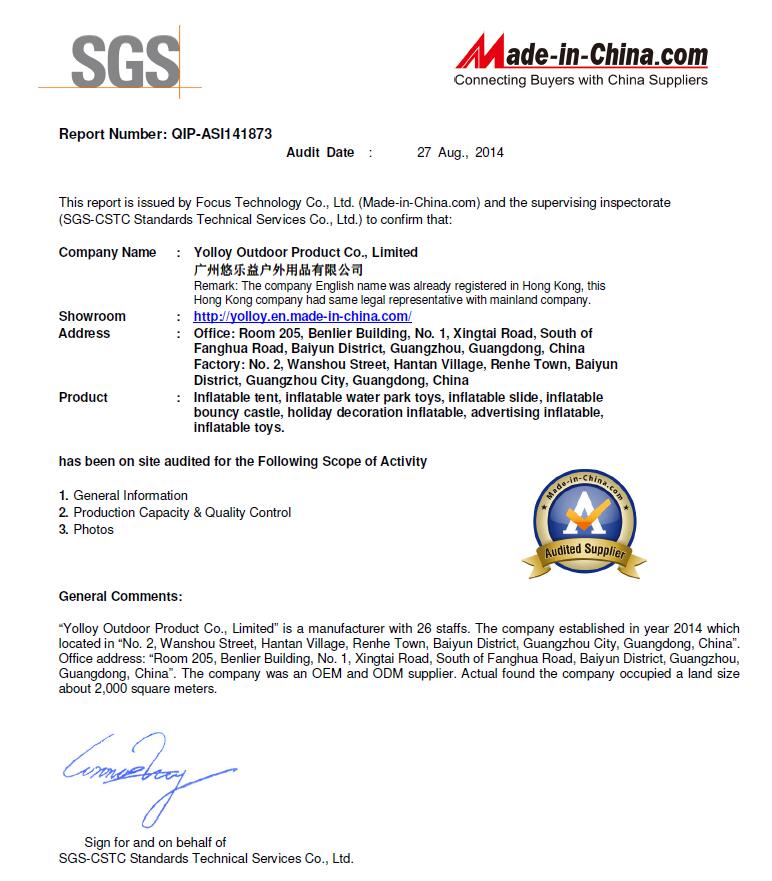
Yolloy Outdoor Product Co., Limited is a China-based inflatable manufacturer specializing in custom inflatable tents, domes, water parks, interactive games, and advertising inflatables. With commercial-grade PVC tarpaulin, precision sewing, reinforced seams, and CE/UL-certified blowers, Yolloy delivers custom inflatable solutions for event companies, rental businesses, and brands worldwide. Production starts from just one piece, with typical lead times of 6 to 15 days plus shipping.
Visit https://www.yolloy.net/ to explore the full product range and request a custom quote for your next project.