When you're in the business of creating joy—whether it's for birthday parties, community events, school carnivals, or corporate family days—having reliable equipment is non-negotiable. And nothing draws a crowd quite like a commercial bounce house. But here's the thing: not all bounce houses are built the same. If you're renting out inflatables week after week, you need models that can handle the chaos of excited kids, rough play, and the wear and tear of frequent setup and takedown. That's where durable, commercial-grade bounce houses come in. Let's dive into why investing in the right commercial bounce house matters, what makes a model "rental-ready," and how to choose the best options for your business.
Why Durability Matters for Rental Bounce Houses
Think about it: a residential bounce house might work for a backyard birthday once a year, but when you're renting to dozens of clients monthly, you need something tougher. Kids jump, crawl, and sometimes even climb the walls (literally). Parents might accidentally step on the edges with shoes on. Weather can be unpredictable—rain, wind, even the occasional stray branch. A flimsy bounce house won't just wear out quickly; it could become a safety hazard. That's why durability isn't just a "nice-to-have"—it's the foundation of a successful rental business.
Durable models mean fewer repairs, less downtime, and happier customers. Imagine getting a call on a Saturday morning because a bounce house tore mid-party. Not only do you have to rush to fix it (or replace it), but you also risk losing that client's trust. On the flip side, a well-built bounce house can handle years of use, keeping your rental schedule full and your maintenance costs low. So, what exactly makes a bounce house "durable"?
Key Features of a Rental-Ready Commercial Bounce House
Not all commercial bounce houses are created equal. When shopping for models to add to your rental fleet, keep an eye out for these must-have features:
Heavy-Duty Materials
The material is everything. Look for bounce houses made with
waterproof and fire-resistant PVC tarpaulin
—this stuff can handle rain, sun, and rough play without cracking or fading. Some models even use
eco-friendly TPU materials
, which are non-toxic, odor-free, and resistant to hydrolysis (perfect for outdoor use where moisture is a concern). Avoid thin, cheap plastics that tear easily—they might save you money upfront, but they'll cost you more in replacements later.
Reinforced Stitching & Seams
The seams are the weakest points of any inflatable. Commercial-grade bounce houses should have
double-stitched or quadruple-stitched seams
, often reinforced with extra layers of fabric or heat-sealed bonding. This prevents air leaks and ensures the structure stays inflated even with constant jumping. You'll also want reinforced anchor points—those straps that hold the bounce house down in the wind. Weak anchors can lead to accidents, so make sure they're stitched into the base material, not just glued on.
Safety Certifications
Safety should never be compromised. Look for bounce houses that meet international safety standards, like
EN71 certification
(a European standard for toy safety) or ASTM standards in the US. These certifications ensure the materials are non-toxic, the structure is stable, and there are no small parts that could pose a choking hazard. For example, netting around the bounce area should be small enough to prevent kids from sticking their heads through, and entrance/exit ramps should be non-slip to avoid falls.
Easy Setup & Portability
Rental businesses are all about efficiency. You don't want to spend hours setting up a single bounce house. Look for models with
quick-inflate valves
that work with standard blowers (most commercial blowers can inflate a bounce house in 2-5 minutes). Deflation should be just as easy—some models have large deflation ports that let the air out quickly, so you can fold and pack it up in minutes. Also, check the weight when deflated—you don't want a bounce house that's too heavy for your team to load and unload from a truck.
Popular Commercial Bounce House Models for Rental Use
Now that you know what to look for, let's explore some of the most popular commercial bounce house models that rental businesses swear by. These models are designed for frequent use, built to last, and loved by both kids and parents.
|
Model Name
|
Size (LxWxH)
|
Capacity
|
Key Features
|
Best For
|
|
Party Fun Castle
|
15ft x 15ft x 12ft
|
8-10 kids
|
Inflatable bounce house with slide, mesh windows, reinforced seams, fire-resistant PVC
|
Birthday parties, small community events
|
|
Adventure Combo Bounce House
|
20ft x 18ft x 14ft
|
12-15 kids
|
Slide, climbing wall, basketball hoop, large bouncing area, TPU material
|
School carnivals, corporate family days
|
|
Dino World Bounce House
|
18ft x 16ft x 13ft
|
10-12 kids
|
Themed design (dinosaurs), non-slip ramp, double-stitched seams, EN71 certified
|
Kids' birthday parties, summer camps
|
|
Commercial Inflatable Obstacle Course
|
30ft x 10ft x 10ft
|
6-8 kids (at a time)
|
Multiple obstacles, inflatable walls, slide, durable PVC tarpaulin
|
Festivals, team-building events, larger parties
|
Each of these models is designed with rental businesses in mind. The
inflatable bounce house with slide
(like the Party Fun Castle and Adventure Combo) is a top choice because it adds extra fun—kids love sliding down after bouncing, which keeps them entertained longer. The themed designs, like the Dino World model, are also a hit for birthday parties, as they let parents match the bounce house to the party theme.
Real-Life Scenarios: How Durable Bounce Houses Boost Your Rental Business
Still not convinced that investing in durable commercial bounce houses is worth it? Let's look at a few real-life examples of how these models can make or break your business.
Scenario 1: The Weekend Festival
You're hired to provide bounce houses for a two-day community festival. Hundreds of kids will be jumping, and the weather forecast calls for scattered rain. If you're using a cheap residential bounce house, the rain could soak through the material, making it heavy and prone to tearing. The seams might start leaking air, and you'd spend half the day fixing it instead of helping customers. But with a commercial model made of waterproof PVC, the rain rolls right off, and the reinforced seams keep it inflated all weekend. You finish the festival with happy clients and a bounce house that's ready for the next event.
Scenario 2: The Summer Camp Contract
A local summer camp wants to rent bounce houses for their 8-week program, using them 5 days a week. That's 40 days of constant use—rough play, sunscreen, dirt, and lots of kids. A residential bounce house would be lucky to last 2 weeks before needing major repairs. But a commercial model with TPU material (resistant to UV rays and chemicals like sunscreen) and quadruple-stitched seams can handle the daily abuse. At the end of the summer, the bounce house is still in great shape, and the camp renews their contract for next year.
Scenario 3: The Last-Minute Corporate Event
A company calls on Friday afternoon, needing a bounce house for their family picnic the next morning. You rush to deliver and set up, but when you inflate the bounce house, you notice a small tear in the seam—probably from a previous rental. If you're using a low-quality model, that tear could grow into a big problem once kids start jumping. But with a commercial bounce house, the reinforced seams and tough material mean the tear is small and easy to patch with a repair kit (which you should always keep on hand). You fix it in 10 minutes, the event goes smoothly, and the company becomes a repeat customer.
How to Choose the Right Commercial Bounce House Supplier
Now that you know what features to look for in a bounce house, the next step is finding a reliable supplier. After all, even the best bounce house design won't matter if your supplier cuts corners on materials or skips safety checks. Here's what to look for when choosing a supplier:
Look for a Reputable Manufacturer
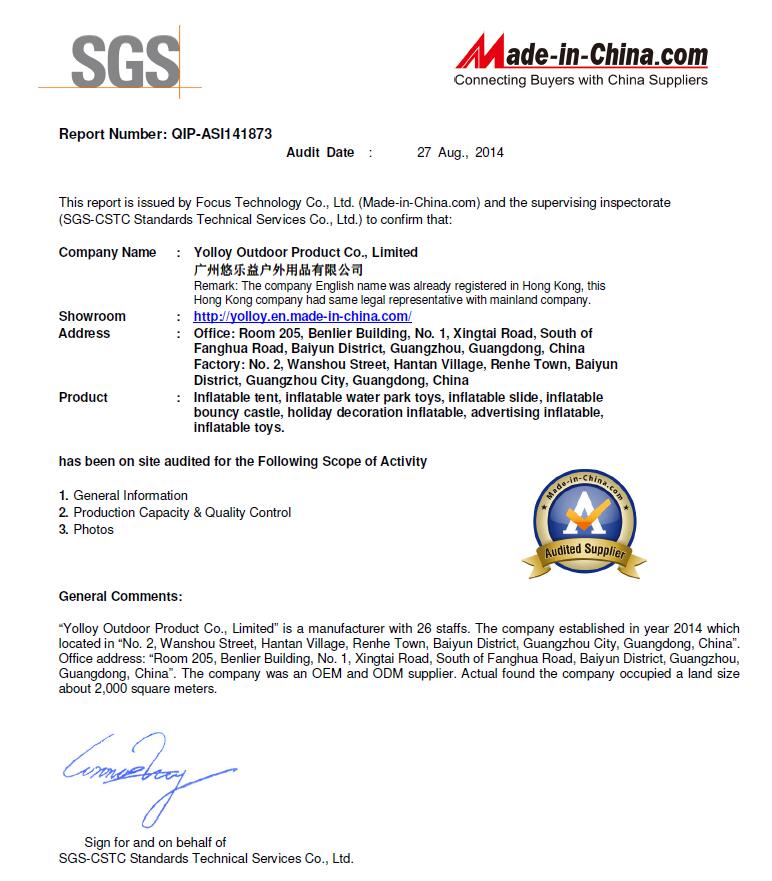
Not all suppliers are manufacturers. Some just resell products from third parties, which can make it hard to track quality. Choose a supplier who is also an
inflatable bounce house manufacturer
—they have direct control over the production process, from material selection to stitching. This means they can guarantee the quality of their products and offer better support if something goes wrong.
Check for Customization Options
Rental businesses thrive on standing out. Maybe you want a bounce house with your company logo, or a unique theme that no one else has. A good supplier should offer customization—whether it's changing the colors, adding a slide, or creating a one-of-a-kind design. They should also provide mock-up designs before production, so you can see exactly what you're getting.
Ask About After-Sales Support
Even the most durable bounce house might need repairs eventually. Does the supplier offer replacement parts (like patches, blowers, or valves)? Do they have a customer service team that responds quickly if you have questions? Look for suppliers with a track record of good after-sales support—you don't want to be stuck with a broken bounce house and no one to help fix it.
Compare Prices, But Don't Sacrifice Quality
It's tempting to go for the cheapest option, but remember: you get what you pay for. A commercial bounce house is an investment. A slightly higher price tag for better materials and craftsmanship will save you money in the long run (fewer repairs, longer lifespan). That said, you should still compare prices between reputable suppliers to make sure you're getting a fair deal. Many suppliers offer
commercial inflatable bounce house for sale
at wholesale prices if you buy multiple models, which can lower your upfront costs.
Pro Tips for Maintaining Your Commercial Bounce House
Even the most durable bounce house needs proper care to last. Here are some easy maintenance tips to keep your rental fleet in top shape:
-
Clean after each use:
Wipe down the bounce house with a mild soap and water solution to remove dirt, sunscreen, and food stains. Let it dry completely before folding to prevent mold and mildew.
-
Check for damage:
Before and after each rental, inspect the seams, netting, and anchor points for tears, holes, or loose stitching. Patch small holes immediately with a repair kit—don't wait for them to get bigger.
-
Store properly:
Fold the bounce house neatly and store it in a dry, cool place (away from rodents and sharp objects). Avoid leaving it in direct sunlight for long periods, as UV rays can fade the material.
-
Use the right blower:
Always use the blower recommended by the manufacturer. Using a blower with too much power can overinflate the bounce house and damage the seams; too little power will make it sag and unsafe.
-
Train your team:
Make sure everyone on your team knows how to set up, take down, and inspect the bounce houses. A well-trained team will spot issues early and handle the equipment with care.
Final Thoughts: Invest in Durability, Grow Your Business
At the end of the day, your commercial bounce houses are more than just equipment—they're the heart of your rental business. They create memories for kids, bring joy to events, and keep your customers coming back. By choosing durable, well-made models from a reputable
inflatable bounce house supplier
, you're not just buying a product—you're investing in the success of your business.
Whether you're just starting out or looking to expand your rental fleet, remember: quality matters. A commercial bounce house that can handle frequent use, rough play, and the elements will save you time, money, and headaches in the long run. So, take the time to research suppliers, compare models, and choose the ones that align with your business needs. Your customers (and your bottom line) will thank you.
Ready to take your rental business to the next level? Start by exploring commercial bounce house options that prioritize durability, safety, and fun. With the right equipment, there's no limit to the smiles you can create.
|